


A beginner's guide
Medaka fish, also known as Oryzias latipes, are small freshwater fish belonging to the family Adrianichthyidae. They originally come from East Asia and are often found in rice paddies, ponds and slow-flowing streams. Medaka fish have become popular not only as pets, but also as a model organism in scientific research. Thanks to their small size, rapid reproduction and transparent embryos, they are ideal for studying various biological processes. In this article we will look at the history and origins of the medaka fish, their physical characteristics, habitat and environmental requirements, diet and feeding habits, reproduction and breeding techniques, common varieties, health and care tips, setting up a medaka aquarium, their importance in scientific research, and additional resources for medaka fish enthusiasts.


The History and Origins of the Medaka
Medaka fish have a long history that goes back thousands of years. It is believed that they originally come from East Asia, specifically from Japan and Korea. In Japan, medaka have been bred for centuries because of their vivid colors and unique patterns. They were originally kept as ornamental fish in ponds and gardens. Over time, medaka fish became popular pets among the Japanese aristocracy.
In the 20th century, medaka gained recognition outside Japan when they were introduced to the scientific community as a model organism for genetic research. Because of their small size and short generation time, they are ideal for studying genetics and developmental biology. Today, medaka are widely used in various fields of research, including toxicology, cancer biology, neurobiology and environmental studies.
Physical Characteristics of Medaka Fish
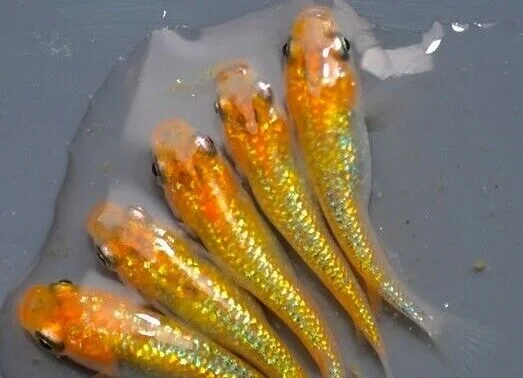
Medaka are small in size and usually reach a length of 5-7 centimeters (2-3 inches) when fully grown. They have a slender body shape with a slightly compressed appearance. The body is covered with scales that can vary in color from silver to gold, depending on the variety. Medaka fish are known for their vivid colors and unique patterns, which can differ greatly from one individual to another.
One of the most striking features of the medaka is its transparent skin, which allows researchers to observe its internal organs and developmental processes. This transparency is especially useful when studying embryonic development and organ formation. Medaka fish also have a pair of large eyes and a small mouth with sharp teeth.
Habitat and Environment of the Medaka Fish
In their natural habitat, medaka live in rice paddies, ponds and slow-flowing streams. They prefer shallow water with plenty of vegetation for cover. In captivity, it is important to recreate these conditions to ensure the health and well-being of the medaka fish.
When setting up an aquarium for medaka, it is recommended to use a minimum size of 20 liters (5 gallons) for a small group of fish. The tank should be equipped with a filter to keep the water quality at a good level and a heater to regulate the temperature. It is also important to provide the fish with enough hiding places and plants so that they feel safe.
Water quality is crucial for the health of medaka fish, but they are very hardy fish that can survive in less than ideal conditions, such as in old rice paddies. The water should be kept clean. Change water regularly (10% of the water from the tank or pond per week) to remove accumulated waste or toxins. The ideal temperature for medaka is between 15-28°C, although they can tolerate a wide temperature range of 0-42°C, which makes them the ideal fish for small ponds throughout Europe!
Medaka Fish as a Research Model
Medaka fish have become an important model organism in scientific research because of their unique features and biological properties. They have a small genome, a short generation time and transparent embryos, which makes them ideal for studying various biological processes.
Medaka fish have been used in research on genetics, developmental biology, toxicology, cancer biology, neurobiology and environmental studies. They have contributed to our understanding of gene function, embryonic development, organ formation and disease mechanisms.
Besides their biological advantages, medaka fish are also cost-effective and easy to maintain in the laboratory. They require minimal space and resources compared to other model organisms such as mice or zebrafish.
Medaka Heads Love Rice Fish
Medaka fish are fascinating and easy-to-care-for rice fish that have attracted the attention of both hobbyists and scientists. Their vivid colors, unique patterns and transparent embryos make them a joy to observe and study.
Whether you are interested in keeping medaka fish as pets or want to use them as a research model, it is important to give them proper care and attention. By gaining insight into their history, physical characteristics, habitat requirements, diet and feeding habits, breeding techniques, common varieties, health and care tips, and how to set up an aquarium, you can ensure the well-being of these wonderful fish.
If you want to learn more about medaka fish, various resources are available. Online forums and communities for medaka fish enthusiasts can offer valuable insights and advice. In addition, scientific journals and publications often feature research articles about medaka fish, which contributes to a better understanding of their biological significance.
The Medaka rice fish is a unique and versatile species that has made an important contribution to both the pet industry and scientific research. Their small size, vivid colors and transparent embryos make them a joy to observe and study. Whether you are a hobbyist who wants to keep medaka fish as pets or a scientist who wants to use them as a research model, there is much to learn and appreciate about these fascinating creatures.
Create your Medaka zen pond and visit our shop!
Further reading
Receive a 10% discount on your first order when you sign up for our newsletter.


Write a comment
Your email address will not be published. Required fields are marked *