


Guide to Successfully Breeding Madaka
Breeding Madaka fish is a fascinating and rewarding hobby that requires in-depth knowledge of the species and the right breeding environment, but it is very simple compared to other fish species. To successfully breed Madaka fish, it is important to create the perfect breeding tank, choose the right breeding pair, provide the right food and water quality, and closely monitor the breeding process.
Understanding Madaka Species
Madaka fish are small, usually reaching a length of about 2 centimeters. They have a slender body shape and come in various colors, including red, orange, yellow, and blue. Madaka fish are peaceful and social creatures, often found in schools in their natural habitat. They are known for their ability to jump out of the water, so it is important to have a secure lid on their tank.
Madaka fish originally come from Japan and live in various freshwater habitats, such as rice paddies, ponds, and streams. They can tolerate a wide range of water conditions, but prefer slightly acidic water with a pH between 6.5 and 7.5. Madaka fish are omnivores and feed on a variety of small insects, crustaceans, and plant material.
Setting Up the Perfect Breeding Tank
Creating the perfect breeding tank is crucial for successfully breeding Madaka fish. The aquarium should be large enough to house the breeding pair and give them enough space to swim and establish territories. A tank of at least 10 liters is recommended for a breeding pair of Madaka fish.
Water filtration and circulation are important factors to consider when setting up a breeding tank. A good filter system helps maintain water quality by removing waste and toxic substances. It is also important to ensure adequate water circulation to guarantee oxygen supply and prevent stagnant water.
Lighting and temperature control are also important aspects of setting up a breeding tank for Madaka fish. The aquarium should be well lit, but not too bright, since Madaka fish prefer a dim environment. The water temperature should be kept between 72-78 degrees Fahrenheit, as this is the optimal range for breeding.
The substrate in the tank should be fine-grained and soft, such as sand or gravel, to mimic the natural habitat of the Madaka fish. Adding floating plants to the aquarium provides hiding places and creates a more natural environment for the fish.
Choosing the Right Breeding Pair
Choosing the right breeding pair is crucial for successfully breeding Madaka fish. It is important to select healthy and compatible fish that are of breeding age. Look for fish that are active, have vibrant colors, and show no signs of disease.
Male and female Madaka fish can be told apart by their physical characteristics. Males are usually more colorful and have longer fins than females. They also have a slimmer body shape. Females, on the other hand, are usually larger and have a rounder body shape.
The introduction of the breeding pair into the tank should be done gradually to minimize stress. It is advisable to keep the pair in separate tanks for a few days before introducing them to each other. This way they can get used to each other's presence before being placed in the same tank.
Feeding Madaka Fish
Good nutrition is essential for breeding Madaka fish. They need a balanced diet that includes a variety of foods to ensure they get all the necessary nutrients. Commercially available fish flakes or pellets can serve as the staple food for Madaka fish. These should be supplemented with live or frozen food such as brine shrimp, daphnia, and bloodworms.
Feed twice a day, in small amounts that the fish can eat within a few minutes. Overfeeding can lead to poor water quality and health problems for the fish. It is also important to give supplemental vitamins and minerals to ensure the fish get all the nutrients they need to reproduce.
Water Quality and Maintenance for Successful Breeding
Maintaining optimal water quality is crucial for successfully breeding Madaka fish. Poor water quality can lead to stress, disease, and failed breeding attempts. It is important to regularly test and monitor water parameters such as pH, ammonia, nitrite, and nitrate.
Regular water changes are needed to remove waste and toxic substances from the aquarium. It is recommended to replace 25% of the water every week to maintain optimal water quality. It is also important to clean the tank and filter regularly to prevent the buildup of dirt and algae.
Hatching and Feeding Madaka Fry
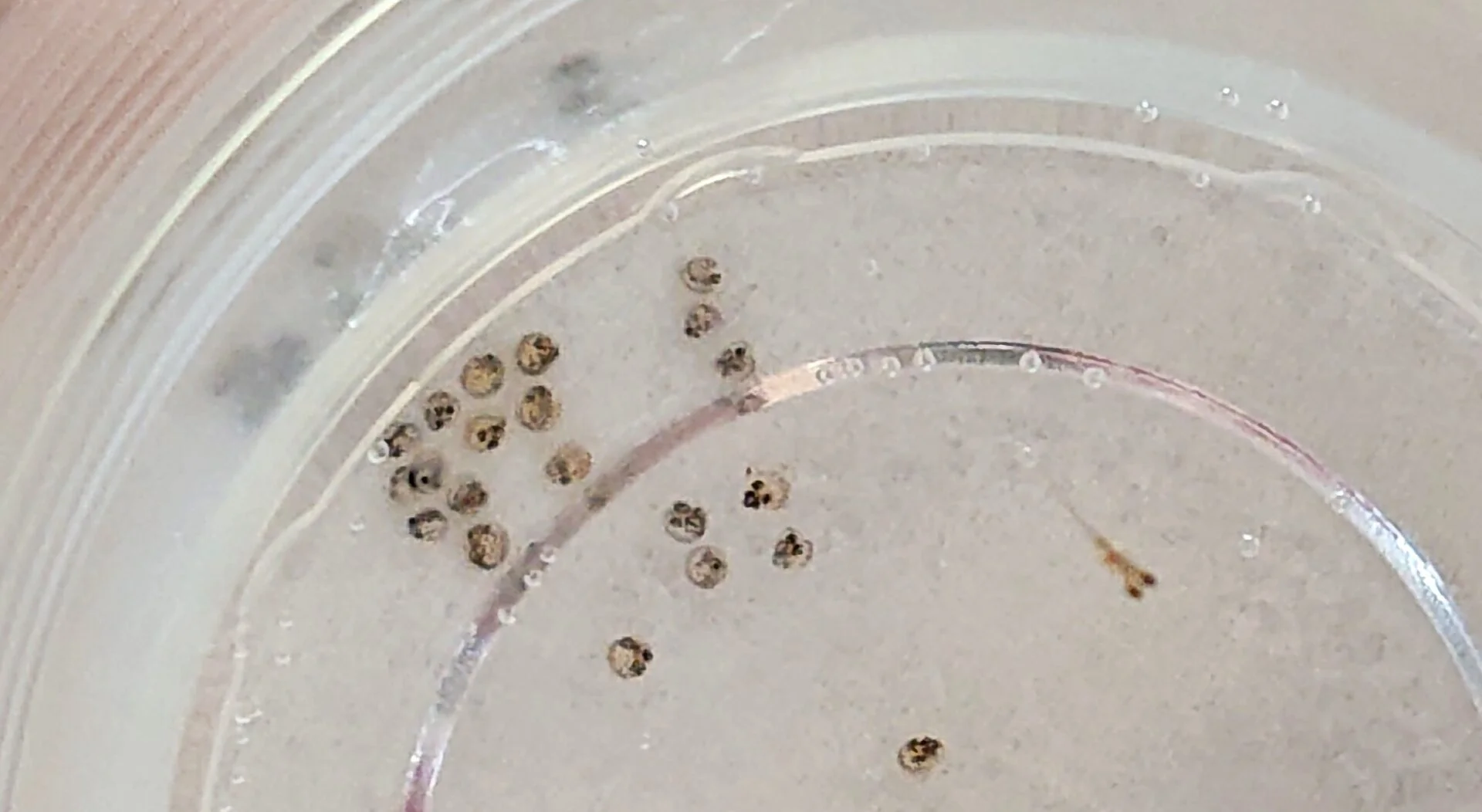
The incubation period for Madaka fish eggs is usually about 7-10 days. During this period, it is important to create optimal conditions for the eggs to hatch. The fry initially feed on their yolk sac, but soon need additional food.
Feeding Madaka fry can be a challenge, because they are very small and need tiny food particles. Infusoria, microworms, or newly hatched brine shrimp can serve as suitable food for the fry. As they grow, they can gradually be introduced to adult food and the tank environment.
Common Challenges and Solutions in Madaka Breeding
Breeding Madaka fish can come with its own challenges. Disease prevention and treatment are important aspects of successful breeding. It is important to quarantine new fish before placing them in the breeding tank to prevent the spread of diseases.
Solving breeding problems such as failed breeding attempts or low survival rates of the fry can be frustrating. It is important to keep a close eye on water quality, temperature, food, and other factors that can affect breeding success.
Tips for Successful Madaka Breeding
Breeding Madaka fish can be a rewarding and satisfying hobby. By understanding the species and creating the right breeding environment, you can increase your chances of successful breeding. It is important to choose healthy and compatible breeding pairs, provide the right food and water quality, and closely monitor the breeding process.
Further Reading
- Health and Care of Medaka Rice Fish
- Building the Perfect Small Medaka Koi Pond
- What Are Medaka Rice Fish?
- Breeding Medaka: From Egg to Adult Rice Fish
- Caring for Medaka Through the Seasons
Receive a 10% discount on your first order when you sign up for our newsletter.


Write a comment
Your email address will not be published. Required fields are marked *