


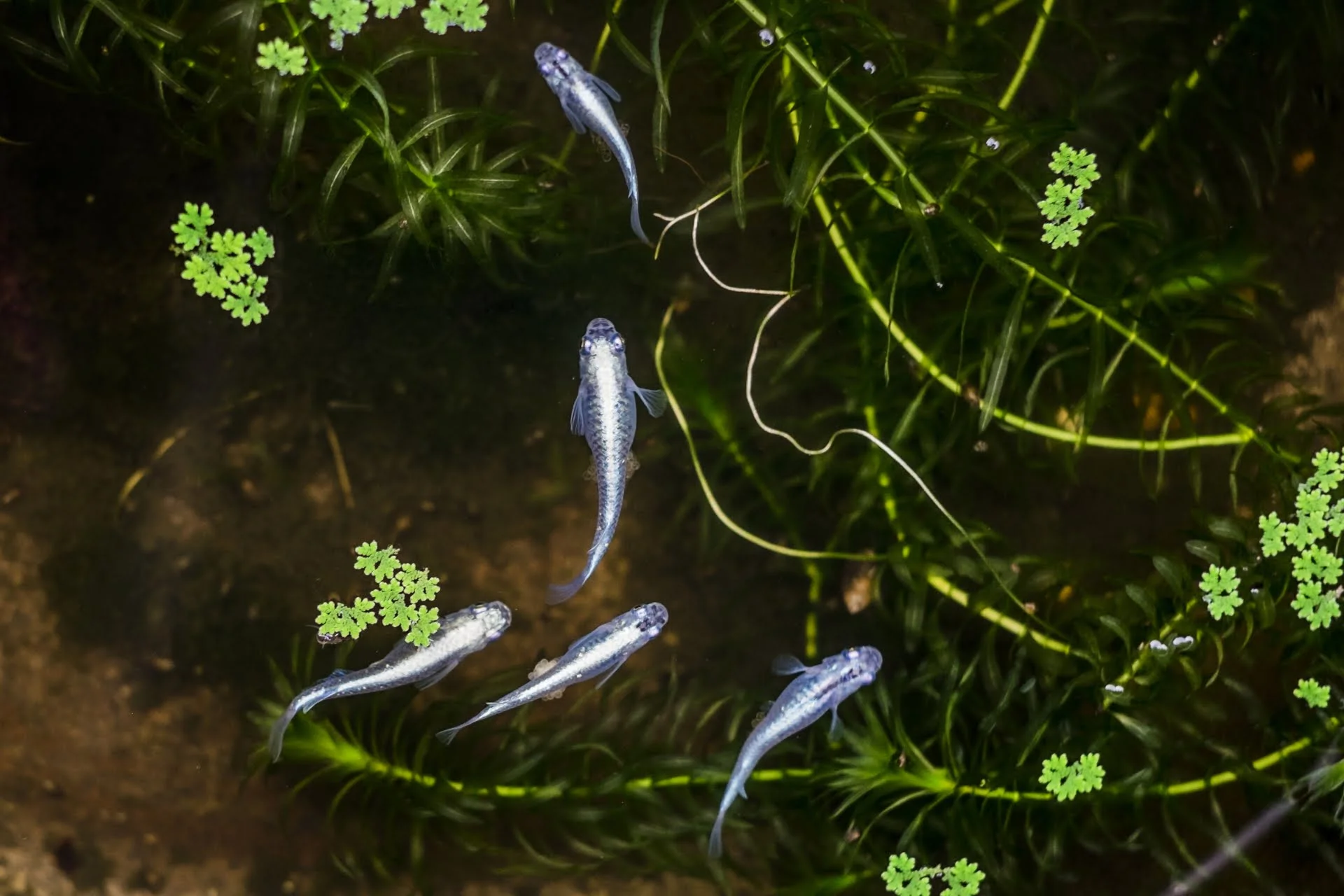
Medaka fish, also known as Japanese rice fish, are small freshwater fish that have become popular as pets because of their vivid colors and easy care. These fish originally come from East Asia and are known for their hardiness and adaptability. Medaka are often kept in ponds, where they can thrive in a natural environment. Creating a suitable habitat for medaka is essential for their health and well-being.
Medaka ponds give these fish a natural and beautiful environment to live in. This allows the fish to show their natural behavior and gives them enough space to swim and explore. In addition, medaka ponds can be a wonderful addition to any garden or outdoor space, adding beauty and tranquility to the surroundings.
Choosing the right location for your Medaka pond
When choosing a location for your medaka pond, there are several factors to consider. First and foremost, you should choose a spot that gets enough sunlight. Medaka need sunlight for their overall health and well-being. However, it is important to find a balance between sunlight and shade, because too much sunlight can cause the water to overheat.
Temperature is another important consideration when choosing a location for your medaka pond. Medaka prefer water temperatures between 20-28°C (68-82°F). That is why it is important to choose a location that stays relatively stable in temperature throughout the year. Avoid areas that are prone to extreme temperature fluctuations or areas that receive direct sunlight for long periods.
Designing the perfect Medaka pond: Size, shape, and depth
The size and shape of your medaka pond depend on the number of fish you want to keep and the space available in your garden or outdoor area. As a rule of thumb, each medaka fish needs at least 4 liters of water. So if you plan to keep 10 medaka, your pond should have a minimum capacity of 10 gallons (40 liters).
In terms of shape, rectangular or oval ponds are ideal for medaka. These shapes provide enough swimming space and ensure efficient water circulation. Avoid irregular or narrow shapes, because they can restrict the fish's movement.
The depth of your medaka pond is also important. Medaka prefer shallow water, with a depth of about 12-18 inches (30-45 cm). This gives them easy access to the surface for oxygen and sunlight. In addition, a shallow pond is easier to maintain and clean.
When it comes to materials and construction options for medaka ponds, there are several choices available. You can choose preformed plastic ponds, which are easy to install and available in different sizes and shapes. Another option is to build a pond using a liner, which offers more flexibility in size and shape. Whichever option you choose, make sure the materials are safe for the fish and do not contain harmful chemicals.
Water quality: The ideal environment for Medaka fish
Maintaining water quality is crucial for the health and well-being of medaka. Poor water quality can lead to stress, disease, and even death. That is why it is important to regularly test and check the water parameters in your medaka pond.
The most important parameters to check are pH, ammonia, nitrite, and nitrate. The ideal pH range for medaka is between 6.5-8.0. Ammonia and nitrite levels should be kept at zero, because these substances are toxic to fish. Nitrate levels should be kept below 40 ppm (parts per million).
Regularly changing the water is essential for maintaining water quality in your medaka pond. Try to change 10-20% of the water every week to remove accumulated toxins and waste. Also make sure you remove any uneaten food or debris from the pond to prevent the water from becoming polluted.
Filtration: Keeping the water clean and oxygen-rich
Filtration is essential for keeping the water in your medaka pond clean and oxygen-rich. There are several types of filtration systems available, including mechanical, biological, and chemical filters.
Our favorite: Install a simple Java stone filter: A filter is essential for keeping water quality up and removing waste. The lava rock filter does not need to be mechanical. We use split black lava rock as a biological filter because bacteria have a large surface area in the porous lava rock to settle on.
Mechanical filters remove dirt and particles from the water so that they cannot clog the system or cause water quality problems. Biological filters provide a home for beneficial bacteria that break down harmful compounds such as ammonia and nitrite. Chemical filters use activated carbon or other media to remove impurities and odors from the water.
When choosing a filtration system for your medaka pond, take into account the size of your pond and the number of fish you plan to keep. It is important to choose a system that can handle the bioload of your fish well.
Aeration systems are also important for keeping the oxygen level in your medaka pond up. Medaka need well-oxygenated water to thrive. Aeration systems can consist of air pumps, diffusers, or waterfalls that create movement and circulation in the water.
Regular maintenance and cleaning of filter and aeration systems are essential for proper operation. Follow the manufacturer's instructions for cleaning and replacing filter media, and regularly check for blockages or clogs.
Choosing the right plants for your Medaka pond
Adding plants to your medaka pond can offer many benefits for both the fish and the overall ecosystem. Plants help supply oxygen to the water, provide shelter and hiding places for the fish, and absorb excess nutrients that can lead to algae growth.
There are several types of plants that are suitable for medaka ponds. Floating plants, such as water lettuce or water hyacinth, provide shade and cover for the fish. Submerged plants, such as hornwort or anacharis, help supply oxygen to the water and form a natural food source for the fish. Marginal plants, such as water lilies or irises, add beauty and color to the pond and also provide shelter for the fish.
For the upkeep and care of pond plants, you should prune regularly and remove dead or rotting plant material. This helps prevent organic matter from building up in the pond, which can lead to water quality problems. Also make sure you choose plants that suit your climate and can withstand the temperature fluctuations in your area.
Algae: Preventing overgrowth and maintaining clarity
Algae growth is a common problem in medaka ponds and can quickly become a plague if it is not kept under control. Algae thrive in an environment with lots of nutrients, so it is important to maintain a balance in your pond to prevent overgrowth.
There are several methods for controlling and preventing algae growth in medaka ponds. One method is to limit the amount of sunlight that reaches the water by adding shade structures or using floating plants. This helps reduce the amount of nutrients available for algae growth.
Another method is to introduce algae-eating fish or invertebrates into your pond. Species such as Siamese algae eaters or amano shrimp can help keep the algae population under control. However, be careful when adding other species to your medaka pond, because some may not be compatible with the fish or may compete for resources.
Regular maintenance, such as removing excess dirt and uneaten food, can also help prevent algae growth. In addition, consider using algae-preventing products or natural treatments, such as barley straw or beneficial bacteria, to keep algae growth under control.
Keeping the water clear is important not only for aesthetic reasons but also for the health of your medaka fish. An algae bloom can lower the oxygen level in the water and create an unhealthy environment for the fish. Regularly checking and controlling algae growth will contribute to a healthy and thriving medaka pond.
Adding other species to your Medaka pond
Although medaka can be kept as a single species in a pond, adding other species can bring diversity and interest to your pond's ecosystem. However, it is important to consider the compatibility and behavior of different species before introducing them to your medaka pond.
Some species that can live together with medaka are guppies, mosquitofish, or White Cloud Mountain minnows. These species have similar requirements in terms of temperature and water quality and are generally peaceful by nature.
If you add other species to your medaka pond, take into account the size of your pond and the number of fish already in it. Overstocking can lead to competition for resources and increased stress levels for the fish. Also make sure you quarantine new fish before putting them into your pond to prevent the spread of disease.
Regularly checking the behavior and health of all the fish in your pond is important to ensure compatibility and prevent problems. If aggression or stress is observed, it may be necessary to separate or remove certain species from the pond.
Quick setup guide for a Medaka fish tank or mini pond
Setting up a medaka aquarium is simple. Here is a step-by-step guide to help you get started:
1. Choose a suitable container/pond: For a small group of medaka fish, a minimum tank/pond size of 15 liters (5 gallons) is recommended. Larger aquariums are preferable if you plan to keep or breed more fish.
2. Install a simple filter: A filter is essential for maintaining water quality and removing waste. Choose a filter that is suitable for the size of your tank and follow the manufacturer's installation instructions. The filter does not need to be mechanical. We use split black lava rock as a biological filter because bacteria have a large surface area in the porous lava rock to settle on.
3. Add substrate, plants, snails, and decorations: Choose a substrate that is suitable for medaka fish, such as fine gravel or sand. Add snails: these animals eat food and poop and turn it into food for the bacteria in your filter, allowing them to remove waste from the water. Add plants: Floating plants are perfect for medaka, they give them space to hide, and these plants grow quickly, which means they eat lots of nutrients from the water, keeping it fresh and healthy for the fish. Add decorations such as rocks, driftwood, and plants to provide hiding places and create a natural environment.
4. Cycle the tank: Before adding medaka to your aquarium, it is important to cycle the tank to develop beneficial bacteria that help break down waste. You can do this by adding a bacteria supplement that lives in your substrate and filter.
5. Introduce the fish: Once the aquarium or pond has been cycled, you can introduce your medaka fish. Let them slowly get used to the new environment by floating their bag in the tank and gradually adding small amounts of aquarium water over a period of about 30 to 45 minutes. If the fish are shipped to you, do not open the bag and let it float closed for 30 minutes. Then open the bag and catch the fish in a net by scooping water out of the bag through the net and placing the fish in their new tank or pond.
6. Check the water parameters: Regularly test water parameters such as pH, ammonia, nitrite, and nitrate to make sure they are within the right range. Change 10% of the water weekly to keep the water quality up.
7. Feed the fish: Give your medaka fish a balanced diet of high-quality dry flakes or pellets, supplemented with live or frozen food. Feed small amounts several times a day to prevent overfeeding.
8. Maintain the tank or pond: Clean the tank regularly by removing uneaten food, waste, and dirt. Change the water regularly to remove accumulated toxins and keep the water quality up.
Enjoying a thriving Medaka Zen pond for years
Creating and maintaining a thriving medaka pond requires careful planning, attention to detail, and ongoing maintenance. By considering factors such as location, size, water quality, filter systems, plants, algae control and compatibility with other species, you can create a beautiful and healthy environment for your medaka fish.
Remember to regularly test and check the water parameters, change the water regularly, clean and maintain filter and aeration systems, prune and care for pond plants, keep algae growth under control, and carefully introduce other species. With the right care and maintenance, your medaka pond can provide enjoyment for both you and your fish for years to come.
Get our ready-made mini pond kit!
Further reading
- Health and care of Medaka rice fish
- How do I breed Medaka rice fish?
- Medaka, the perfect pond fish for the Netherlands
Receive a 10% discount on your first order when you sign up for our newsletter.


Write a comment
Your email address will not be published. Required fields are marked *