


Indoors or outdoors: where do you keep Medaka best?
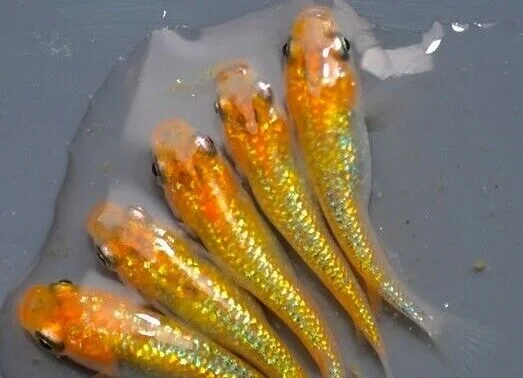
Have you fallen in love with the colorful Medaka rijstvissen en vraag je je af waar deze prachtige visjes het beste gedijen? Je bent niet de enige! Steeds meer aquariumliefhebbers ontdekken de charme van deze kleine Japanse rijstvissen, maar de vraag blijft: binnen in een aquarium of buiten in een vijver? Het antwoord is niet zo eenvoudig als het lijkt, want beide opties hebben hun eigen unieke voordelen en uitdagingen.
In this article we take you into the world of Medaka housing. We look at their natural habitat, discuss the pros and cons of indoor housing, and investigate how to successfully keep these resilient fish outdoors. Whether you are an experienced Medaka keeper or just starting out in this fascinating hobby, this guide will help you make the best decision for your situation and your fish.
The natural habitat of Medaka ricefish
Medaka rice fish (Oryzias latipes) are native to East Asia, mainly from Japan, Korea en delen van China. In het wild leven deze kleine overlevers in ondiepe rijstvelden, kleine stroompjes, sloten en zelfs in tijdelijke waterpoelen. Ze zijn echte aanpassingskunstenaars die gewend zijn aan wisselende omstandigheden. De watertemperatuur in hun natuurlijke habitat varieert sterk met de seizoenen, van ongeveer 5°C in de winter tot wel 30°C in de zomer. Deze temperatuurschommelingen hebben Medaka’s bijzonder veerkrachtig gemaakt.
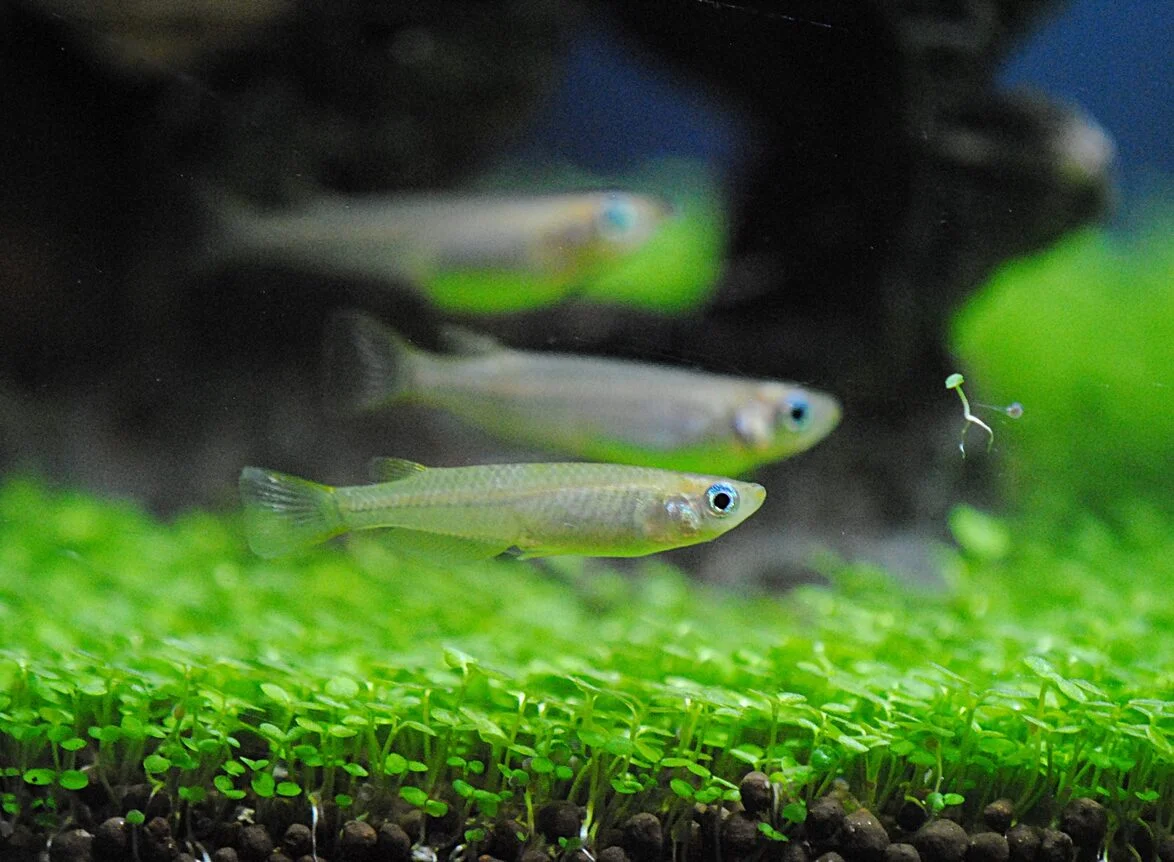
De natuurlijke leefomgeving van Medaka’s kenmerkt zich door ondiep, vaak stilstaand of langzaam stromend water met veel water plants and sunlight. They usually swim just below the water surface, where they hunt small insects, larvae and plankton. This surface-oriented lifestyle is important to remember when you set up their enclosure. In their natural habitat they also experience the full cycle of the seasons, which influences their reproduction and behaviour. You can recreate this natural rhythm both indoors and outdoors, although in different ways.
Keeping Medaka indoors: advantages and points of attention
Keeping Medakas indoors in an aquarium offers numerous benefits, especially for beginners. The most important asset is the control you have over all environmental factors. You can keep the water temperature stable between 18-24°C, which is ideal for these fish. You can also accurately monitor the water quality and adjust it when necessary. Indoor housing also protects your Medakas from natural enemies such as herons, cats and dragonfly nymphs. Another big advantage is that you can enjoy your fish all year round, even during cold winter months when outdoor ponds are less active.
Er zijn echter ook aandachtspunten bij binnenhuisvesting. Medaka’s hebben voldoende zwemruimte nodig, dus kies minimaal een aquarium van 40 liter voor een kleine groep van 6-8 visjes. Verlichting is cruciaal: zorg voor een dag-nachtritme van ongeveer 12-14 uur licht per dag, bij voorkeur met natuurlijk daglicht of een goede aquariumlamp. Let op de waterdiepte: Medaka’s voelen zich het prettigst in ondieper water (15-30 cm), wat afwijkt van standaard aquaria. Zorg ook voor voldoende aquatic plants, zowel drijvende als beplanting in de bodem, want dit geeft ze schuilplaatsen en stimuleert natuurlijk gedrag. Vergeet niet regelmatig kleine hoeveelheden water te verversen (10-20% per week) om de waterkwaliteit optimaal te houden.
Practical tips for indoors:
- Use a sponge or internal filter with gentle flow
- Do not place the aquarium in direct sunlight (algae growth)
- Keep the temperature stable between 18-24°C
- Add live plants such as Elodea and floating duckweed
- Avoid overfeeding: small portions 1-2 times a day
- Check the water values weekly (pH, nitrite, nitrate)
Outdoor pond for Medaka: seasons and temperature
Keeping Medaka outdoors in a pond comes closest to their natural habitat. This option is becoming more popular among experienced hobbyists, mainly because Medaka are surprisingly hardy. In a well-equipped outdoor pond they can survive temperatures just above freezing, provided the pond does not freeze solid. The seasonal cycle has a positive effect on their health and natural behaviour. In spring and summer they are active and spawn regularly, while in autumn and winter they become quieter and eat less. This natural rhythm produces vital, healthy fish met prachtige kleuren.
Temperature is the most important factor in outdoor housing. Medakas are active at temperatures between 15-28°C, with an optimum around 20-24°C. At temperatures below 10°C they become inactive and stop eating, which is normal. They can survive down to about 2-4°C, but prolonged exposure to extreme cold can be dangerous. The depth of your pond is crucial for wintering: ensure a minimum depth of 60-80 cm, so that there is a frost-free zone at the bottom. In shallow ponds (less than 40 cm) it is wise to bring the fish indoors in winter. Also pay attention to ice formation: always ensure there is an opening in the ice for gas exchange, for example with a pond heater or floating ice eater.
Seasonal calendar for outdoors:
Spring (March-May)
- Temperature rises to 12-18°C
- Medaka become more active
- Start feeding carefully
- Check water quality after winter
Summer (June-August)
- Optimal temperature 20-28°C
- Peak season for spawning
- Feed daily
- Watch oxygen levels in warm weather
Autumn (September-November)
- Temperature drops to 10-15°C
- Gradually reduce feeding
- Remove dead plant material
- Prepare the pond for winter
Winter (December-February)
- Temperature 2-8°C
- Medaka are inactive on the bottom
- Do not feed below 10°C
- Keep an ice-free spot
Comparison table: indoors vs outdoors
| Aspect | Indoors (aquarium) | Outdoors (pond) |
|---|---|---|
| Temperature control | Fully adjustable | Depends on the season |
| Water quality | Easy to monitor | Natural balance |
| Protection from predators | Optimal | Extra measures needed |
| Visibility | All year round | Mainly spring/summer |
| Natural behaviour | Limited | Optimal |
| Maintenance | Regular, predictable | Seasonal |
| Start-up costs | €100-300 | €200-600+ |
| Suitable for beginners | Yes | Moderate to experienced |
| Spawning behaviour | Quite possible | More natural and more frequent |
| Minimum space | 40 litres | 200 litres+ |
Combining indoors and outdoors: the best of both worlds
Many experienced Medaka holders opt for a combination strategy. They keep their fish outside in a pond in the warmer months (April-October) and move them indoors in the winter. This approach offers the best of both worlds: natural behavior and optimal growth in the summer, combined with safety and control in the winter. Moving Medakas is relatively easy, but requires some caution.
When moving, it is important to avoid temperature shocks. Allow the fish to acclimatize to the new temperature in a bucket of their old water by gradually adding water from the new environment over a period of 30-60 minutes. Choose a quiet day for the trip, preferably not in extreme weather. This method is especially suitable if you do not have a very deep pond or if you live in a region with harsh winters. It also gives you the opportunity to observe your Medakas up close all year round.
Step-by-step plan for moving with the seasons:
- Timing: Move outdoors when temperatures are stable above 12°C (April/May)
- Preparation: Make sure the outdoor pond has been running for several weeks
- Acclimatising: Adjust the temperature gradually (max 2°C per hour)
- Observation: Keep a close eye on them during the first days
- Moving back: Bring them in before the first night frost (October/November)
Frequently asked questions (FAQ)
Can Medaka survive the Dutch winter outdoors?
Yes, Medaka can survive the Dutch winter in a well-equipped pond at least 60-80 cm deep. They are surprisingly hardy and can cope with temperatures just above freezing. They do become inactive below 10°C and stop eating. Always keep an ice-free spot for gas exchange. In very harsh winters or shallow ponds it is safer to bring them indoors.
How many Medaka can I keep in my aquarium or pond?
As a rule of thumb, an aquarium needs at least 5 litres of water per Medaka, so a 40-litre aquarium can hold 6-8 fish. For an outdoor pond the rule is more relaxed: count on at least 10-15 litres per fish, but more is always better. Medaka are shoaling fish, so always keep them in groups of at least 6.
What is the ideal water temperature for Medaka?
The ideal temperature is between 20-24°C, when they are most active and grow best. They can, however, handle a wide temperature range: from 2°C (overwintering) up to 30°C (summer peak). Avoid rapid temperature changes of more than 2-3°C per day, because this causes stress.
Do I need a filter for Medaka?
For an aquarium a filter is strongly recommended, preferably a sponge or internal filter with gentle flow. Medaka do not like strong currents. In an outdoor pond with enough plants and a good biological balance a filter is optional, but it helps keep the water clear and the water quality good, especially with a higher fish stocking density.
Can Medaka live with other fish species?
Medaka are peaceful fish that get on well with other small, calm species such as small goldfish, bitterlings or ornamental carp in a pond. Avoid combinations with large or aggressive fish that may see Medaka as prey. In an aquarium they go well with shrimp and small bottom-dwelling fish. Do note that different Medaka varieties can interbreed.
When do Medaka spawn and how do I recognise it?
Medaka spawn at temperatures above 18°C, with a peak between 22-26°C. This usually happens early in the morning. You recognise spawning behaviour by males chasing females. Females carry the eggs (5-20 pieces) for a few hours on their belly before depositing them among fine-leaved plants. In an outdoor pond they spawn from April to September; indoors you can stimulate this all year round with good feeding and lighting.
Which plants suit Medaka?
Medaka like a well-planted environment. Suitable plants are: Elodea, hornwort, floating duckweed, water lilies (for shade) and fine-leaved plants such as cabomba for depositing eggs. In an aquarium, java moss and Najas grass are also excellent choices. Plants not only provide hiding places but also help to purify the water.
Do I need to feed Medaka in an outdoor pond?
In a well-equipped outdoor pond with natural food sources (mosquito larvae, water fleas) Medaka can partly feed themselves. Even so, supplementary feeding is recommended for optimal growth and health, especially if you keep many fish. In summer, give small portions of daily quality feed. In spring and autumn you feed less, and below 10°C you stop feeding completely.
The choice between keeping your Medakas indoors or outdoors depends on several factors: your experience, the available space, your climate and how much time you want to put into maintenance. For beginners, an indoor aquarium is often the safest and most manageable option, while experienced hobbyists can appreciate the natural beauty and behavior of Medakas in an outdoor pond. Both options can lead to healthy, happy fish if you take their basic needs into account.
Whatever choice you make, remember that medakas Are resilient and adaptable fish that, with the right care, can provide years of enjoyment. Many Medaka enthusiasts find that the combination of indoor and outdoor cultivation works best for their situation. Experiment, observe your fish closely, and adjust your approach based on what you see. with the Information from this article, you will be well equipped to make the best decision for your medakas. good Luck And have fun with these beautiful rice fish!
Receive a 10% discount on your first order when you sign up for our newsletter.


Write a comment
Je e-mailadres wordt niet gepubliceerd. Verplichte velden zijn gemarkeerd met *