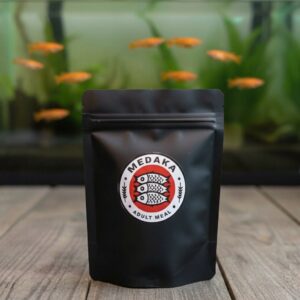
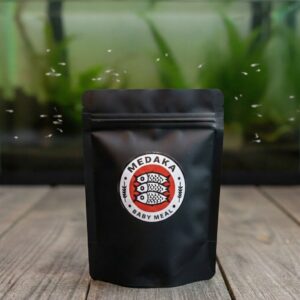
Contact us Orders will be shipped after 14 November 2026. Thank you for your patience and apologize for any inconvenience.Delete itemThumbnail imageProductPriceNumberSubtotal × Medaka Raising Food - Grow Up Meal €11.95 Medaka Parenting Food - Grow Up Meal quantity €11.95 Coupon: Apply voucher Update shopping cartWinkelwagen legenShopping cart totalsSubtotal€11.95DispatchCalculate shipping costs Country/region Select a country/region…AfghanistanAland islandsAlbaniaAlgeriaAmerican SamoaAndorraAngolaAnguillaAntarcticaAntigua and BarbudaArgentinaArmeniaArubaAustraliaAzerbaijanBahamasBahrainBangladeshBarbadosBelauBelgiumBelizeBeninBermudaBhutanBurundiBoliviaBonaire, Sint Eustatius and SabaBosnia and HerzegovinaBotswanaBouvetBrazilBritish Indian Ocean TerritoryBruneiBulgariaBurkina FasoCambodiaCanadaCentral African RepublicChileChinaChristmas IslandCocos IslandsColombiaComorosCongo-BrazzavilleCongo-KinshasaCook IslandsCosta RicaCubaCuracaoCyprusDenmarkDjiboutiDominicaDominican RepublicGermanyEcuadorEgyptEl SalvadorEquatorial GuineaEritreaEstoniaEswatiniEthiopiaFaroe IslandsFalkland IslandsFijiPhilippinesFinlandFranceFrench GuianaFrench PolynesiaFrench Southern TerritoriesGabonGambiaGeorgiaGhanaGibraltarGrenadaGreeceGreenlandGuadeloupeGuamGuatemalaGuernseyGuineaGuinea-BissauGuyanaHaitiHeard Island and McDonald IslandsHondurasHungaryHong-KongIrelandIcelandIndiaIndonesiaIraqIranIsle of ManIsraelItalyIvory CoastJamaicaJapanJerseyJordanCayman IslandsCape VerdeCameroonQatarKazakhstanKenyaKyrgyzstanKiribatiKuwaitKosovoCroatiaLaosLesothoLatviaLebanonLiberiaLibyaLiechtensteinLithuaniaLuxembourgVirgin Islands (United Kingdom)Virgin Islands (US)MacauMadagascarMalawiMaldivesMalaysiaMaliMaltaMoroccoMarshall IslandsMartiniqueMauritaniaMauritiusMayotteMexicoMicronesiaMoldaviaMonacoMongoliaMontenegroMontserratMozambiqueMyanmarNamibiaNauruThe NetherlandsNepalNicaraguaNew CaledoniaNew ZealandNigerNigeriaNiueNorth MacedoniaNorth KoreaNorthern Mariana IslandsNorwayNorfolk IslandUgandaUkraineUzbekistanOmanEast TimorAustriaPakistanPalestinian TerritoriesPanamaPapua New GuineaParaguayPeruPitcairnPolandPortugalPuerto RicoReunionRomaniaRussiaRwandaSaint Kitts and NevisSaint LuciaSaint Vincent and the GrenadinesSaint-Pierre and MiquelonSolomon IslandsSamoaSan MarinoSão Tomé and PríncipeSaudi ArabiaSenegalSerbiaSeychellesSierra LeoneSingaporeSaint MartinSaint BartholomewSaint HelenaSaint Martin (French part)SloveniaSlovakiaSudanSomaliaSpainSpitsbergen and Jan MayenSri LankaSurinameSyriaTajikistanTaiwanTanzaniaThailandTogoTokelauTongaTrinidad and TobagoChadCzech RepublicTunisiaTurkeyTurkmenistanTurks and Caicos IslandsTuvaluUruguayVanuatuVaticanVenezuelaUnited Kingdom (UK)United Arab EmiratesUnited States (US)United States (US) Minor Outlying IslandsVietnamWallis and FutunaWestern SaharaBelarusYemenZambiaZimbabweSouth AfricaSouth Georgia and the South Sandwich IslandsSouth KoreaSouth SudanSwedenSwitzerland Place: Postal Code: Update Total€11.95 (inclusive €2.07 Tax) Proceed to checkoutYou may also be interested in… Add to cart Wish List Valued 5.00 of 5(5)Categories: Medaka FeedMedaka Fish Food - Adult Meal €11.95 Medaka Food - Adult Meal30 gramMedaka Food Adult Meal Add to cart Wish List Valued 5.00 of 5(4)Categories: Medaka FeedBaby Medaka Fish Food - Baby Meal €11.95 Medaka Food - Baby Meal20 gramMedaka Food Baby Meal is