


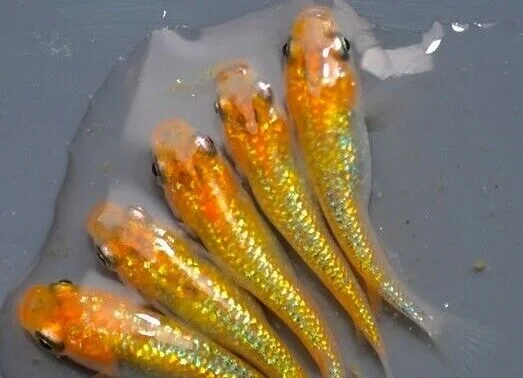
From Myth to Reality: The Legend of Miyazakura Medaka and Its Cultural Significance
Miyazakura Medaka, also known as the Japanese rice fish, is a small freshwater fish with great cultural significance in Japan. This little fish has a rich history and is deeply rooted in Japanese mythology, folklore and traditional customs. It is considered a symbol of luck and prosperity, and its presence is often associated with celebrations and rituals. The story of Miyazakura Medaka is proof of the lasting legacy of cultural traditions in Japan.
The Mythical Origin of Miyazakura Medaka
According to Japanese mythology, Miyazakura Medaka finds its origin in the legend of the "Koi no Taki-nobori" or the "Climbing Carp". The legend tells the story of a group of carp that swam upstream in the Yellow River in China. During their journey the carp faced many obstacles, including strong currents and waterfalls. One carp, however, managed to overcome all challenges, successfully reached the top of the waterfall and transformed into a dragon.
The symbolism of the fish and its connection to Japanese folklore can be traced back to this legend. The carp's ability to swim against the current and overcome obstacles stands for perseverance and determination. In Japanese culture, this symbolism is often associated with success and luck.
The Symbolism of Miyazakura Medaka in Japanese Culture
Miyazakura Medaka has great significance in Japanese culture as a symbol of luck and prosperity. It is believed that its vivid colors and graceful movements bring luck and positive energy. The fish is often kept in ornamental ponds or aquariums in homes and businesses to attract good fortune.
Besides its symbolism, Miyazakura Medaka plays a role in traditional Japanese festivals and rituals. During festivals such as Tanabata, which celebrates the meeting of two lovers, bamboo branches are decorated with colorful paper streamers and Miyazakura Medaka fish-shaped ornaments. These decorations symbolize luck and are believed to bring good fortune and prosperity.
The Role of Miyazakura Medaka in Folklore and Literature
Throughout history, Miyazakura Medaka has appeared in various Japanese folk tales and literature. In these stories the fish is often portrayed as a magical being with the power to grant wishes or bring luck to those who encounter it.
The fish's significance also clearly comes through in Japanese poetry and haiku. Many poets have used Miyazakura Medaka as a metaphor for beauty, grace and the fleetingness of life. Its delicate appearance and graceful movements have inspired countless verses and poems.
The Cultural Significance of Miyazakura-medaka in Japan
The cultural significance of Miyazakura Medaka goes beyond symbolism and folklore. For centuries the fish has played an important role in Japanese art and design. Its vivid colors and unique patterns are woven into traditional Japanese textiles, ceramics and paintings.
In Japanese cuisine, Miyazakura Medaka is highly valued for its delicate flavor and texture. It is often used in traditional dishes such as sushi, sashimi and tempura. The presence of the fish in culinary traditions further emphasizes its cultural importance in Japan.
The Evolution of Miyazakura Medaka in Modern Times
In recent years, the perception of Miyazakura Medaka has evolved in contemporary Japanese culture. With the arrival of modernization and globalization, traditional customs and beliefs face challenges in preserving their cultural significance.
There is, however, a revival of interest in preserving traditional cultural practices, including the appreciation of Miyazakura Medaka. Efforts are being made to promote the cultural significance of the fish and to inform younger generations about its importance.
The Influence of Miyazakura Medaka on Japanese Art and Design
The influence of Miyazakura Medaka can be seen in various forms of Japanese art and design. Traditional depictions of the fish can be found in paintings, woodblock prints and ceramics. The vivid colors and graceful movements of the fish are often shown in these artworks, capturing its beauty and symbolism.
In modern times, Miyazakura Medaka has also found its way into Japanese fashion and pop culture. The fish's unique patterns and colors have inspired designers to incorporate them into clothing, accessories and even tattoos. Its presence in popular culture further emphasizes its lasting legacy.
The Importance of Preserving the Legacy of Miyazakura Medaka
Preserving the cultural significance of Miyazakura Medaka is crucial for maintaining the unique identity of Japan. Traditional practices and beliefs are an integral part of a country's heritage and provide a sense of continuity and connection with the past.
By preserving the legacy of Miyazakura Medaka, future generations can continue to appreciate and understand the cultural significance of this small fish. It also reminds us of the importance of cultural preservation in a rapidly changing world.
Miyazakura Medaka in Popular Culture and Media
Miyazakura Medaka has appeared in popular Japanese media, including anime and manga. The symbolism and cultural significance of the fish have been woven into various storylines, thereby promoting the fish's importance to a wider audience.
The impact of Miyazakura Medaka on global popular culture cannot be underestimated. As more and more people around the world become interested in Japanese culture and mythology, the fish serves as a gateway to understanding and appreciating Japan's rich heritage.
The Global Impact of Miyazakura Medaka and Japanese Mythology
The significance of Miyazakura Medaka reaches beyond the borders of Japan. As more and more people around the world become interested in Japanese culture, the fish stands as a symbol of Japan's unique traditions and mythology.
The fish's presence in global popular culture promotes intercultural understanding and appreciation. It enables people from different backgrounds to connect with Japanese culture and gain a better understanding of its values and beliefs.
The Lasting Legacy and Cultural Relevance of Miyazakura Medaka
The lasting legacy and cultural relevance of Miyazakura Medaka are proof of the importance of preserving traditional customs and beliefs. The symbolism and meaning of the fish in Japanese culture have withstood the test of time, despite the challenges of modernization and globalization.
By understanding and appreciating the cultural significance of Miyazakura Medaka, we gain greater appreciation for Japan's rich heritage. It reminds us of the importance of cultural preservation and of the role it plays in maintaining the unique identity of a country.
Further Reading
- Medaka in Japan: Tradition and Culture
- Medaka Species: A Journey Through Genetics
- Medaka History: From Ancient Japan to Your Aquarium or Pond
- How Medaka Rice Fish Conquered Europe
- Medaka, the Perfect Pond Fish for the Netherlands
Receive a 10% discount on your first order when you sign up for our newsletter.



Write a comment
Your email address will not be published. Required fields are marked *