

How do I breed Medaka rice fish?
Guide to successful Madaka breeding
Het kweken van Madaka vissen is een fascinerende en lonende hobby die een diepgaande kennis van de soort en de juiste kweekomgeving vereist, maar die heel eenvoudig is in vergelijking met andere vissoorten. Om met succes Madaka vissen te kweken, is het belangrijk om de perfecte kweekbak te creëren, het juiste kweekkoppel te kiezen, voor de juiste nutrition en waterkwaliteit te zorgen en het kweekproces nauwlettend in de gaten te houden.
Understanding the Madaka fish species
Madaka fish are small, typically reaching a length of about 2 centimeters. They have a slender body and come in a variety of colors, including red, orange, yellow, and blue. Madaka fish are peaceful and sociable creatures, often found in schools in their natural habitat. They are known for their ability to jump out of the water, so it's important to have a secure lid on their tank.
Madakavissen komen oorspronkelijk uit Japan en leven in verschillende zoetwaterhabitats, zoals rijstvelden, vijvers en beken. Ze kunnen een breed scala aan wateromstandigheden verdragen, maar geven de voorkeur aan licht zuur water met een pH-waarde tussen 6,5 en 7,5. Madaka vissen zijn omnivoor en voeden zich met een verscheidenheid aan kleine insecten, schaaldieren en plantaardig materiaal.
Setting up the perfect grow box
Creating the perfect breeding tank is crucial for successfully breeding Madaka fish. The aquarium should be spacious enough to house the breeding pair and provide them with enough space to swim and establish territories. A tank of at least 10 liters is recommended for a breeding pair of Madaka fish.
Water filtration and circulation are important factors to consider when setting up a breeding tank. A good filtration system helps maintain water quality by removing waste and toxins. It's also important to ensure adequate water circulation to ensure oxygenation and prevent stagnant water.
Lighting and temperature control are also important aspects when setting up a breeding tank for Madaka fish. The aquarium should be well-lit, but not too bright, as Madaka fish prefer a dim environment. The water temperature should be maintained between 72-78 degrees Fahrenheit, as this is the optimal range for breeding.
The substrate in the tank should be fine-grained and soft, such as sand or gravel, to mimic the Madaka fish's natural habitat. Adding floating plants to the aquarium provides hiding places and creates a more natural environment for the fish.
Choosing the right breeding pair
Choosing the right breeding pair is crucial for successful breeding of Madaka fish. It's important to select healthy and compatible fish that are of breeding age. Look for fish that are active, vibrantly colored, and show no signs of disease.
Male and female Madaka fish can be distinguished by their physical characteristics. Males are generally more colorful and have longer fins than females. They also have a more slender body shape. Females, on the other hand, are usually larger and have a rounder body shape.
Introducing the breeding pair to the tank should be done gradually to minimize stress. It's recommended to keep the pair in separate tanks for a few days before introducing them. This allows them to become accustomed to each other's presence before being placed in the same tank.
Food for Madaka fish
Good nutrition is essential for breeding Madaka fish. They require a balanced diet that includes a variety of foods to ensure they receive all the necessary nutrients. Commercially available fish flakes or pellets can serve as a staple food for Madaka fish. These should be supplemented with live or frozen foods such as brine shrimp, daphnia, and bloodworms.
Feed feed twice a day, in small amounts that the fish can consume within a few minutes. Overfeeding can lead to poor water quality and health problems for the fish. It's also important to provide supplemental vitamins and minerals to ensure the fish get all the nutrients they need to reproduce.
Water quality and maintenance for successful breeding
Maintaining optimal water quality is crucial for successful breeding of Madaka fish. Poor water quality can lead to stress, disease, and failed breeding attempts. It's important to regularly test and monitor water parameters such as pH, ammonia, nitrite, and nitrate.
Regular water changes are necessary to remove waste and toxins from the aquarium. A 25% water change is recommended every week to maintain optimal water quality. It's also important to clean the tank and filter regularly to prevent the buildup of debris and algae to prevent.
Hatching and feeding madaka Chicks
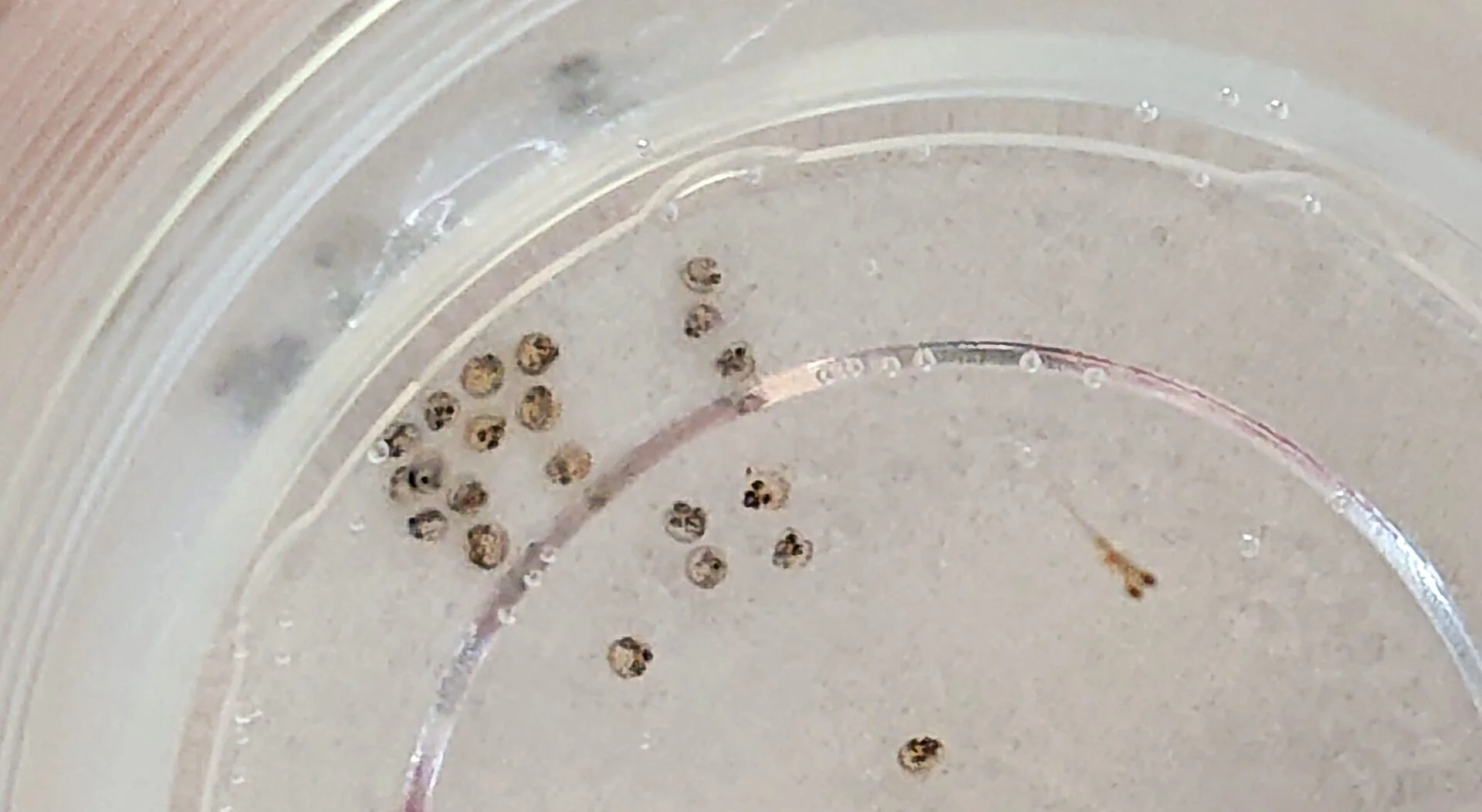
The incubation period for Madaka fish eggs is usually about 7-10 days. During this period, it's important to create optimal conditions for hatching. The fry initially feed on their yolk sac, but soon require additional food.
Feeding Madaka can be challenging because they are very small and require small food particles. Infusoria, microworms, or newly hatched brine shrimp can serve as suitable food for the fry. As they grow, they can be gradually introduced to adult foods and the tank environment.
General challenges and solutions in madaka Breeding
Breeding Madaka fish can come with its own challenges. Disease prevention and treatment are important aspects of successful breeding. It's important to quarantine new fish before introducing them to the breeding tank to prevent the spread of disease.
Resolving breeding problems such as failed breeding attempts or low hatchling survival rates can be frustrating. It's important to closely monitor water quality, temperature, nutrition, and other factors that can affect breeding success.
Tips for successful Madaka breeding
Breeding Madaka fish can be a rewarding and fulfilling hobby. By understanding the species and creating the right breeding environment, you can increase your chances of successful breeding. It's important to choose healthy and compatible breeding pairs, provide proper nutrition and water quality, and closely monitor the breeding process.
Related posts

 08/11/2025
 06/11/2025
 23/12/2023
Write a comment
Your email address will not be published. Required fields are marked *